Address
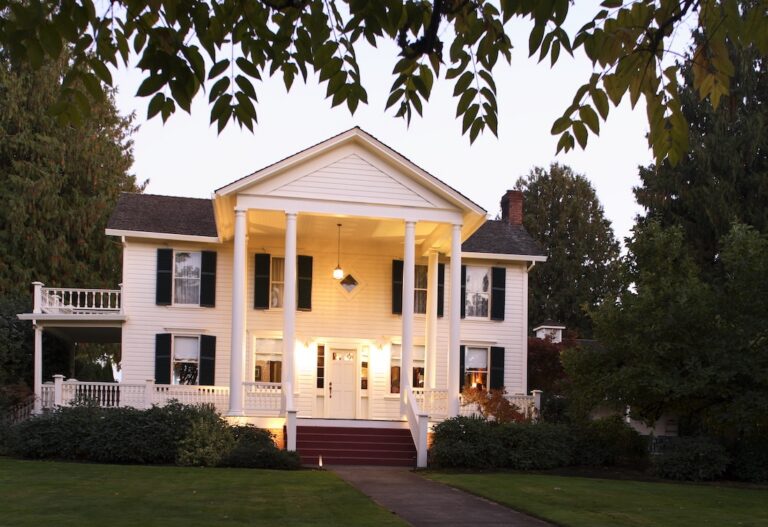
5000 NE Sokol Blosser Ln, Dayton, OR 97114, USA
Phone
Hours
Opens 10:00am today
-
Monday
10:00am – 4:00pm
-
Tuesday
10:00am – 4:00pm
-
Wednesday
10:00am – 4:00pm
-
Thursday
10:00am – 7:00pm
-
Friday
Closed
-
Saturday
Closed
-
Sunday
Closed
Reservations
Yes
Address
5000 NE Sokol Blosser Ln, Dayton, OR 97114, USA
Phone
Hours
Opens 10:00am today
- Monday 10:00am – 4:00pm
- Tuesday 10:00am – 4:00pm
- Wednesday 10:00am – 4:00pm
- Thursday 10:00am – 7:00pm
- Friday Closed
- Saturday Closed
- Sunday Closed
Reservations
Yes
Bill Blosser and Susan Sokol graduated from Stanford in June 1966 and married that August. In 1970 they bought an abandoned prune orchard thirty miles south of Portland. They cleared it and planted their first vines in 1971 — five acres, using borrowed equipment.
They were among the founding families of the modern Oregon wine industry, and the list of firsts is long. Oregon’s first tasting room, designed by architect John W. Storrs. The first winery to be certified Salmon-Safe, in 1996, under a program launched by the Pacific Rivers Council. LIVE certification the year after. The first wine in Oregon labeled with the Dundee Hills AVA when that designation arrived. Their underground barrel cellar was the first winery building in the country to earn LEED certification from the U.S. Green Building Council. Full USDA organic certification came in 2005, and B Corp status in 2015.
Alex Sokol Blosser came back to the winery in 1998 after a philosophy degree at Portland State, a stint as vineyard foreman at Archery Summit, and sales work at Columbia Distributing. He added an MBA and a winemaking certificate from UC Davis, took over vineyard operations in 2006 when his mother retired, and became head winemaker in 2013, succeeding Russ Rosner. He and his sister Alison became co-presidents in 2008 after a year-long handover; Bill and Susan kept board seats.
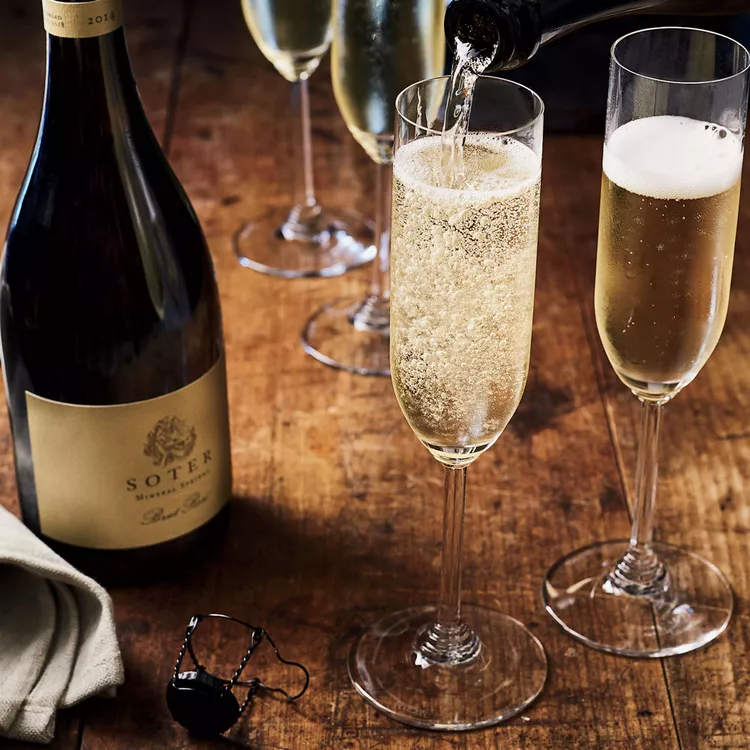
The estate now covers 89 certified organic acres in the Dundee Hills, with additional vineyards in Yamhill-Carlton and the Eola-Amity Hills — more than 128 acres in total. Production runs around 65,000 cases, making them the sixth largest producer in Oregon, distributed in all fifty states and sixteen countries. Alongside estate Pinot Noir, Chardonnay, Pinot Gris, Riesling, Müller-Thurgau, and sparkling sit the Evolution wines, a separate and more accessible line.
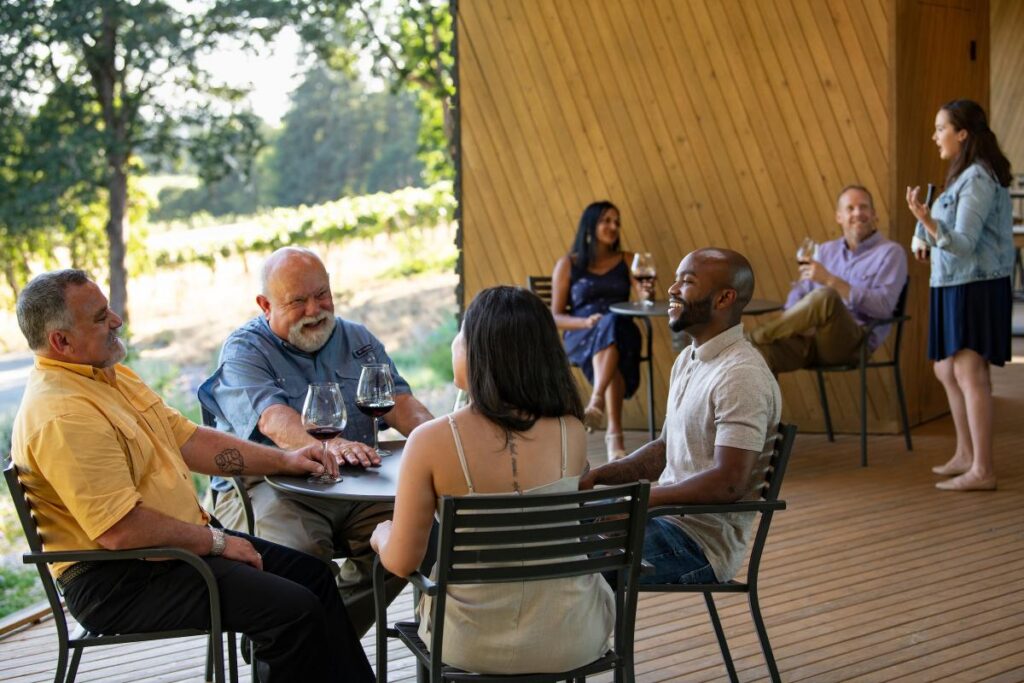
The signature experience is Farm & Forage, six courses paired with six wines at a shared table, voted the country’s number two winery restaurant by USA Today’s 10Best and nominated seven years running.
Their second, more accessible label, widely distributed.
Common questions
Do I need a reservation?
What’s Farm & Forage?
Is it worth the price?
Are dogs allowed?
What should I taste?
What’s Evolution?